My Deep Dive into a Forgotten Saudi Pillar
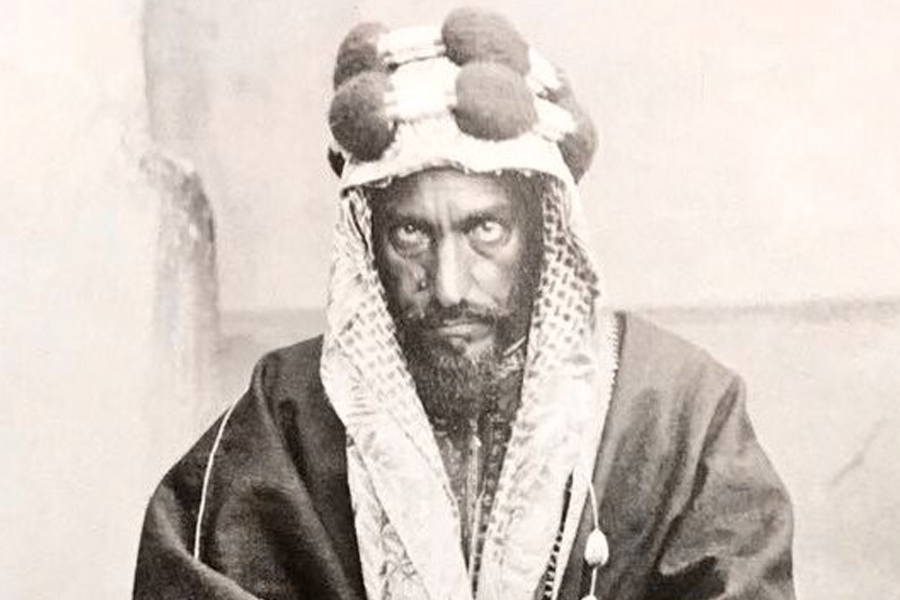
I have always found myself drawn to the quiet architects of history. Abdul Rahman Bin Faisal Al Saud emerges as one such figure. Born around 1850 in the heart of Riyadh, he grew up in the shadow of the Second Saudi State. His father ruled as emir until 1865. That single year changed everything. At roughly 15 years old, Abdul Rahman watched his family plunge into civil war. Yet he rose above the chaos. He embodied piety and courage. He studied Arab genealogies with passion. He read medical texts from ancient Arabic heritage. His life spanned exile, brief rule, and the birth of a modern kingdom. Through it all, his family served as the unbreakable chain linking past to future.
Early Struggles and Brief Reigns That Defined Him
Power problems began after his father died in 1865. Abdul Rahman, the youngest of four sons, handled rivalry well. He succeeded his brother as Nejd emir in 1875. His first rule ended in 1876. He resigned amid protests. After years of struggle, he regained Riyadh in 1889. His second term was 1889–1891. He defended Saudi claims against Al Rashid forces during those years. The decisive Battle of Mulayda in 1891 drove him out. First he led his family into the Rub al Khali desert with the Al Murrah tribe. Bahrain followed. Kuwait finally provided sanctuary in 1891. He lived there until 1902. He earned a meager Ottoman grant. He closely followed politics. He spread Wahhabi ideas. Most importantly, he supported his son Abdulaziz’s heroic 1902 recapture of Riyadh. That victory established the Third Saudi State. Abdul Rahman returned home. He devoted himself to his son. He preferred advisory posts over the throne. He represented the family in delicate Ottoman Qasim talks in 1905. July 4, 1924, he presided over a big Najdi assembly. They discussed Hejaz campaign and pilgrimage guidelines. Key judgments were influenced by his calm hand. He died in Riyadh at 77 or 78 in June 1928. Al Oud Cemetery hosted burial.
The Family Bonds That Anchored a Dynasty
Family stood as Abdul Rahman Bin Faisal Al Saud’s greatest legacy. He married multiple times. His households blended bloodlines and strengthened alliances. I see his relatives as threads in a vast tapestry. Each one carried forward the House of Saud name. Let me lay out the key members clearly.
Here is a table of his immediate family based on historical records:
| Relation | Name | Key Details |
|---|---|---|
| Father | Faisal bin Turki Al Saud | Emir of Nejd until 1865 |
| Mother | Sara bint Mishari bin Abdulrahman | From a collateral Saud branch |
| Elder Brother | Abdullah bin Faisal Al Saud | Rival ruler, lived 1831 to 1889 |
| Elder Brother | Saud bin Faisal Al Saud | Ruled briefly before 1875 |
| Elder Brother | Mohammed bin Faisal Al Saud | Key figure in family conflicts |
| Sister | Al Jawhara | Accompanied family into Kuwait exile |
| Wife | Sara bint Ahmed bin Muhammad Al Sudairi | Primary spouse, mother of Abdulaziz and Noura, died 1910 |
| Wife | Sara bint Jiluwi bin Turki Al Saud | Cousin, mother of Mohammed |
| Wife | Amsha bint Faraj Al Ajran Al Khalidi | Mother of Musaid |
| Son | Faisal | Born 1870, died 1890 |
| Son | Abdulaziz (Ibn Saud) | Born 1876, died 1953, founder of modern Saudi Arabia |
| Son | Muhammad bin Abdul Rahman Al Saud | Prominent prince and advisor |
| Son | Saad I (Saad bin Abdul Rahman) | Died around 1915 |
| Son | Saud | Born 1890, died 1965 |
| Son | Abdullah bin Abdul Rahman Al Saud | Long lived advisor to later kings |
| Son | Musaid bin Abdul Rahman Al Saud | Key family member |
| Son | Ahmed | Served on councils under King Khalid |
| Son | Saad II | Born 1924, died 1955 |
| Son | Abdul Mohsen | Part of extended royal circles |
| Daughter | Noura bint Abdul Rahman Al Saud | Born around 1875, died 1950, influential advisor to brother Ibn Saud |
| Daughter | Bazza | Supported family during exile years |
| Daughter | Haya | Married into allied lines |
| Daughter | Munira (Mounira) | Wed into grandson’s branch of uncle Saud |
These 10 sons and at least four daughters formed the core. Abdulaziz became the most famous. His 1953 death left a kingdom transformed. Noura acted as a trusted counselor. She influenced policy for decades. Many modern princes trace lines through these children. Abdul Rahman Bin Faisal Al Saud appears as parent or grandparent to figures like Talal bin Abdulaziz, Abdullah bin Abdul Rahman, and branches linked to Moudi bint Khalid or Sultana bint Abdulaziz. His grandchildren include Ibn Saud’s own sons such as Saud bin Abdulaziz and later kings. Great grandchildren extend to names like Abdul Aziz bin Fahd and Mutaib bin Abdullah. The family tree numbers in the hundreds today. It spreads across Saudi leadership, business, and cultural life.
Career Milestones and Achievements That Echo Today
The last Second Saudi State emir was Abdul Rahman Bin Faisal Al Saud. His two reigns lasted about three years. Statistics tell part of the tale. From 1891 to 1902, he was exiled. At that time, he safeguarded Riyadh remotely. He repelled thousands of enemies in 1901 and 1902. His 1905 diplomacy achieved important provincial accords. He assembled about a dozen ethnic and religious leaders in 1924. The July 4 summit affected Hejaz strategy. He accomplished something rare. He refused Ottoman vassal control. He protected Saudi independence. His humility shined through. He abdicated in 1902 to let his son rule. That choice worked out. It bonded the family. The 1932 Kingdom of Saudi Arabia was founded on it. Modern business and oil fortunes did not distinguish his period. Traditional tribute and land provided wealth. Yet his smart patience created more than wealth.
A Timeline That Captures His Full Arc
I often map his life in dates to grasp the pace of change. Here is the extended timeline:
- 1850 or 1851: Birth in Riyadh as youngest son.
- 1865: Father dies at age roughly 15 for Abdul Rahman. Civil war begins.
- 1871: Sent to Baghdad for Ottoman support, returns unsuccessful.
- 1875 to 1876: First reign as emir of Nejd.
- 1887 to 1889: Captured then released amid revolts, regains control.
- 1889 to 1891: Second reign ends with defeat at Battle of Mulayda.
- 1891 to 1902: Exile period across desert, Bahrain, and Kuwait.
- December 1901: Meets Russian officials in Kuwait.
- January 1902: Son recaptures Riyadh, family returns.
- 1905: Leads negotiations with Ottomans over Qasim.
- July 4 1924: Chairs Riyadh assembly on Hejaz and pilgrimage.
- June 1928: Death in Riyadh at 77 or 78.
Each date reveals a pivot. Each number underscores endurance.
FAQ
How many children did Abdul Rahman Bin Faisal Al Saud have?
He fathered at least 10 sons and four documented daughters. Historical counts sometimes list additional unnamed daughters. His household totaled more than 15 direct offspring who survived into adulthood.
What made his exile years so pivotal for the family?
Those 11 years from 1891 to 1902 tested every bond. In Kuwait he kept the Saudi claim alive. He educated his sons in politics and faith. Without that period of quiet preparation, the 1902 recapture of Riyadh might never have succeeded.
Which family member played the biggest role after his death?
His son Abdulaziz, born in 1876, carried the vision forward. By 1953 he had unified the peninsula. Yet daughters like Noura, who lived until 1950, offered crucial counsel behind the scenes.
Did Abdul Rahman Bin Faisal Al Saud ever seek the throne again after 1902?
No. He pledged loyalty to his son immediately. He focused on advisory work and tribal assemblies instead. That decision prevented further internal rifts.
How does his legacy appear in modern Saudi life?
His name surfaces in royal genealogies and historical commemorations. Descendants hold positions across government and culture. Social media posts often highlight him as father of Ibn Saud or link him to current princes.
What personal qualities set him apart from his brothers?
Piety, humility, and scholarly depth defined him. While siblings clashed over power, he studied medicine and history. He showed tolerance even toward rivals. Those traits helped the family survive exile and rebuild.
Why does his story matter beyond Saudi borders?
His life illustrates how one man can bridge collapsing states and rising empires. From 1891 defeat to 1928 death, he shaped a nation that now influences global energy and diplomacy. His family web continues to expand across generations.